01 — intro
Context & Challenge
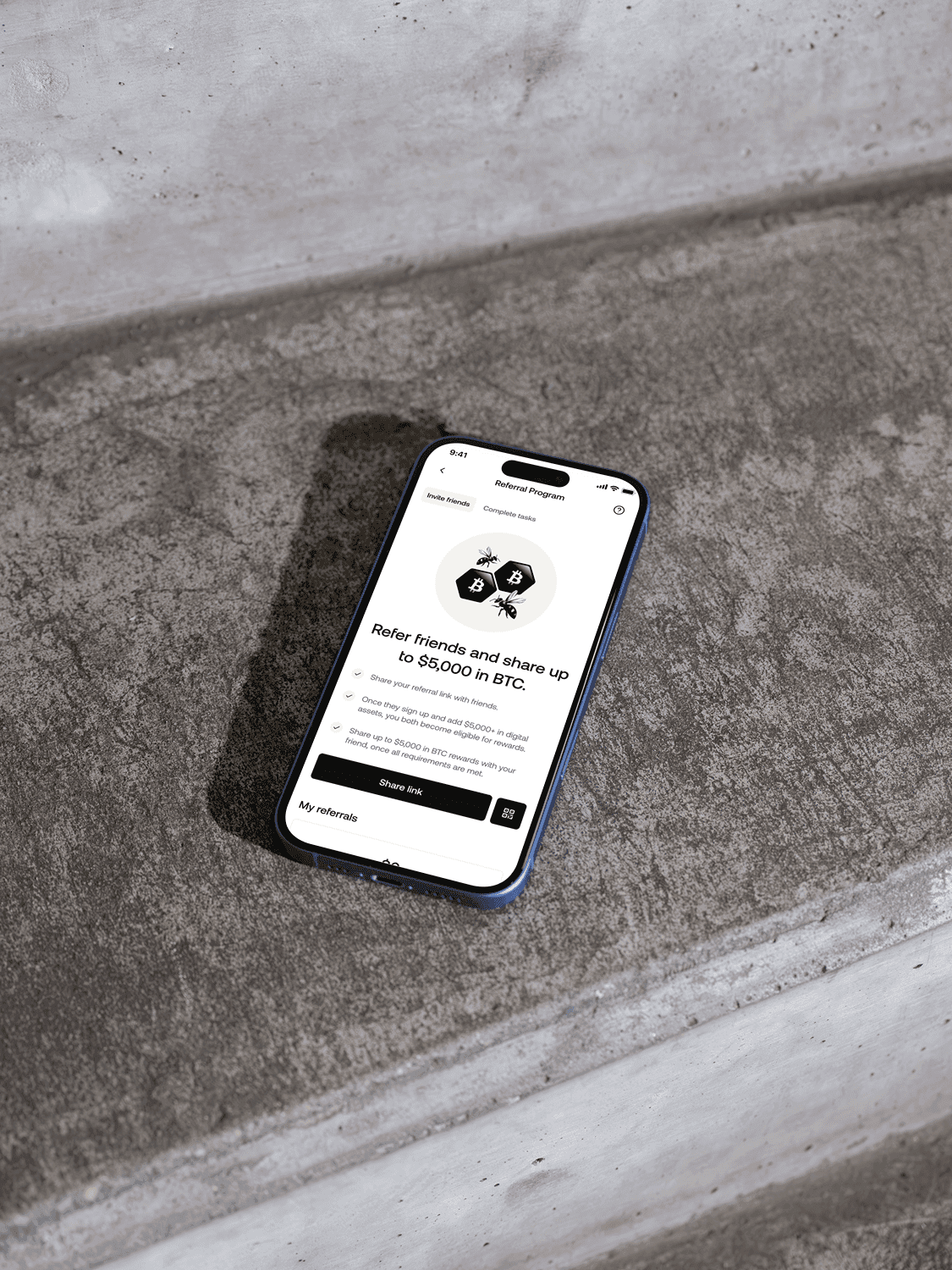
Referral is an important acquisition channel, but after signing‑up, users couldn’t clearly see what they needed to do to unlock their reward. The steps existed, but they were hidden and easy to miss, which created friction early in the onboarding flow.
I decided to tackle this by focusing on visibility first. If users could clearly see that a reward was waiting – and what they needed to do next – the path would feel simpler. We treated this as a visibility issue and tested a clearer version through an A/B experiment against the existing flow.
03 — Designing the solution
Making the path to the reward obvious
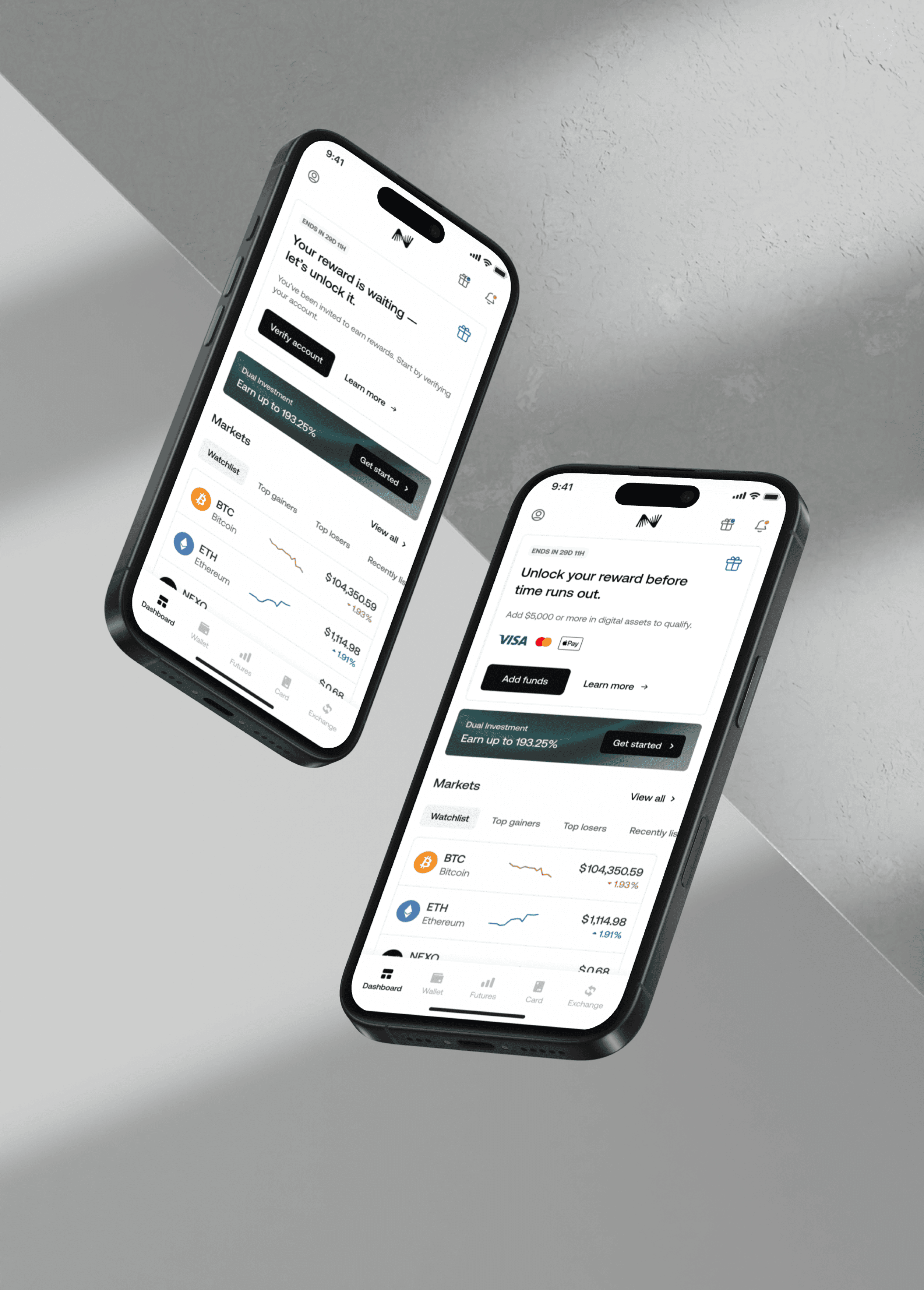
I focused on one core idea: make referral progress clear and easy to follow. We introduced a dynamic referral progress card on the dashboard – the highest-intent surface in the app.
At a glance, the card shows that a reward is waiting, what to do next, and how much time is left. As users complete steps, it updates to highlight the next action, removing the need to search for information or rely on memory.
Creating a clear page that shows the full journey
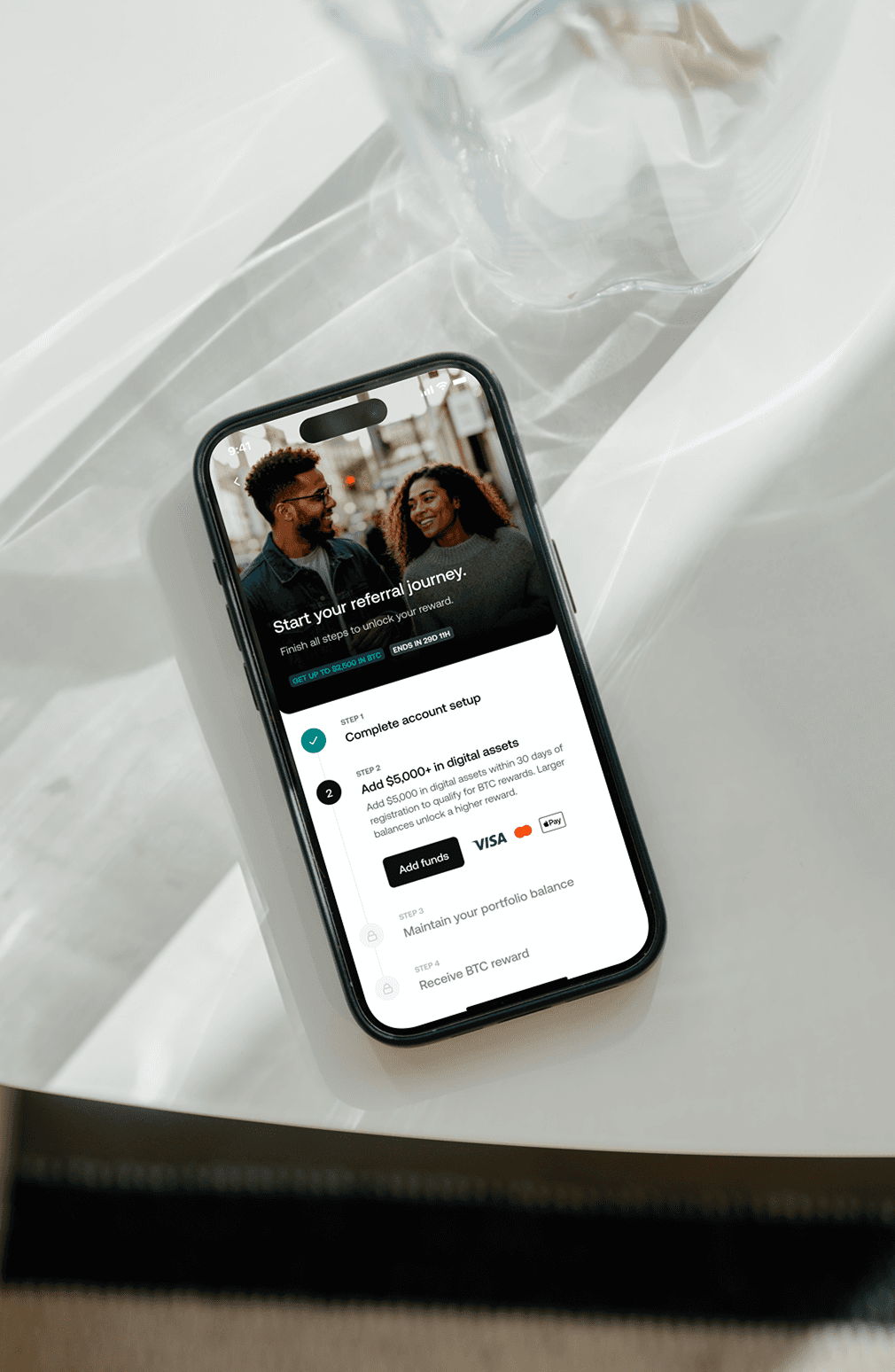
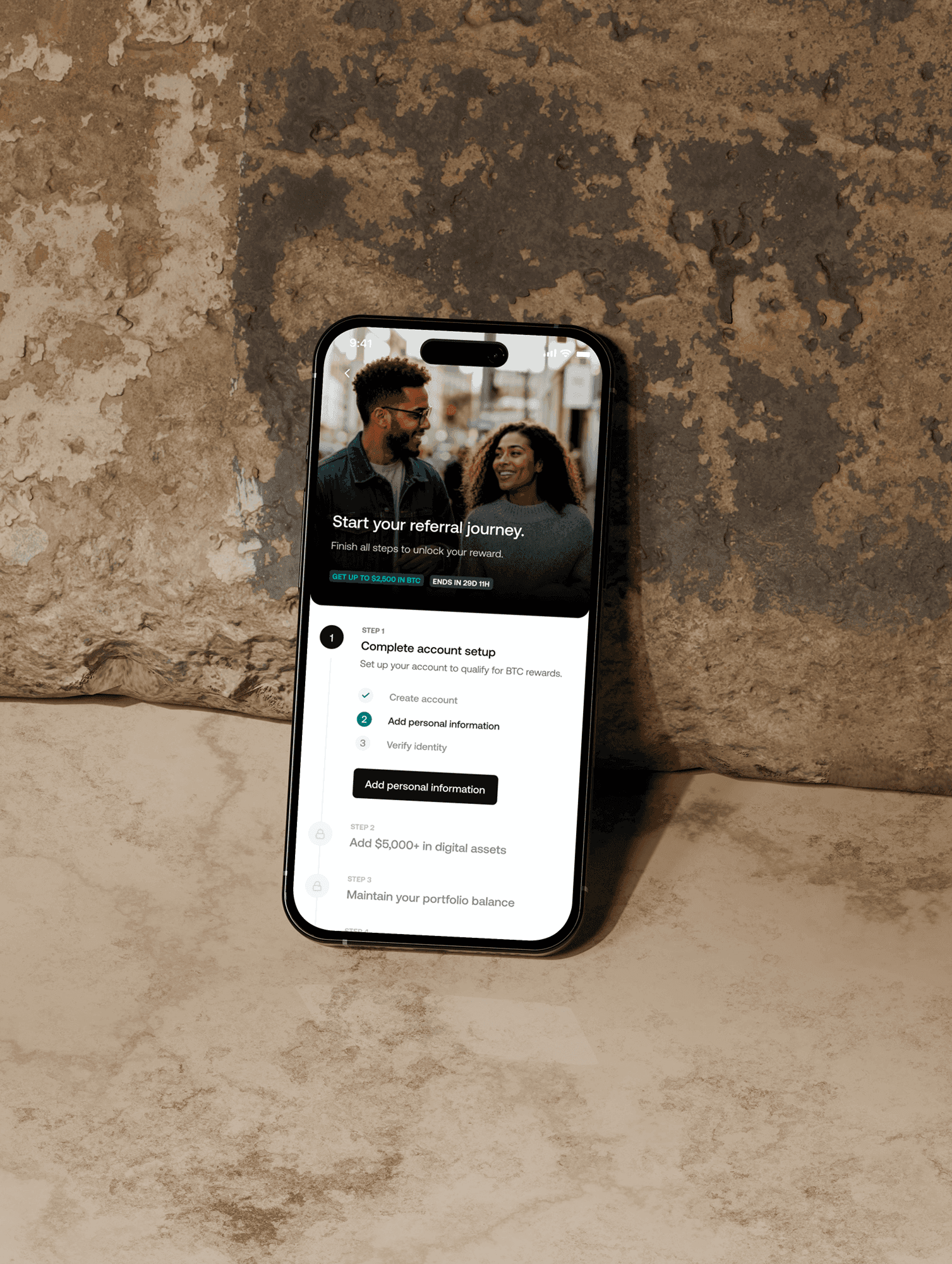
From the card, users are taken to a dedicated referral page that clearly explains what’s needed to unlock the reward. It outlines each step and shows what’s completed, what’s pending, and what’s still locked.
This structure removes guesswork and gives users a sense of progress. This is especially important in compliance-heavy flows where actions must happen in sequence.
Reducing overwhelm through progressive disclosure
Instead of presenting all requirements upfront, I structured the experience so steps are revealed as users advance. This keeps the flow simple early on, while still setting clear expectations about what’s required.